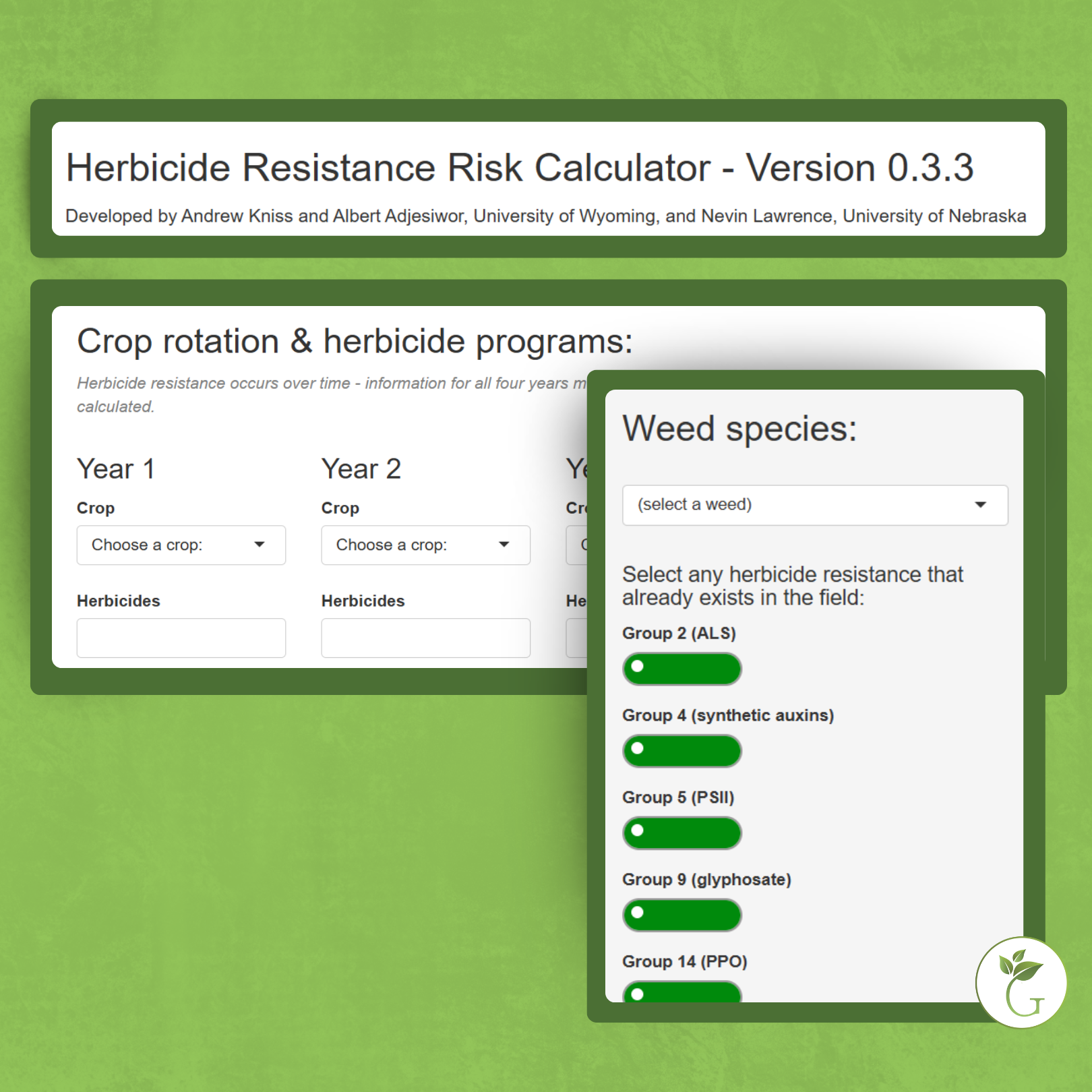
What began as a written assignment for weed science students has now become the University of Wyoming’s Herbicide Resistance Risk Calculator, an online tool for Wyoming farmers to check their effective herbicide modes of action. The University of Wyoming’s Dr. Andrew Kniss challenged his students to create a four-year crop rotation and cost-effective herbicide management plan that uses multiple herbicide modes of action. It’s a manageable task for corn and soybean growers, but nearly impossible for Wyoming’s sugarbeet producers, who have far fewer herbicide options while battling a full slate of herbicide-resistant weeds.
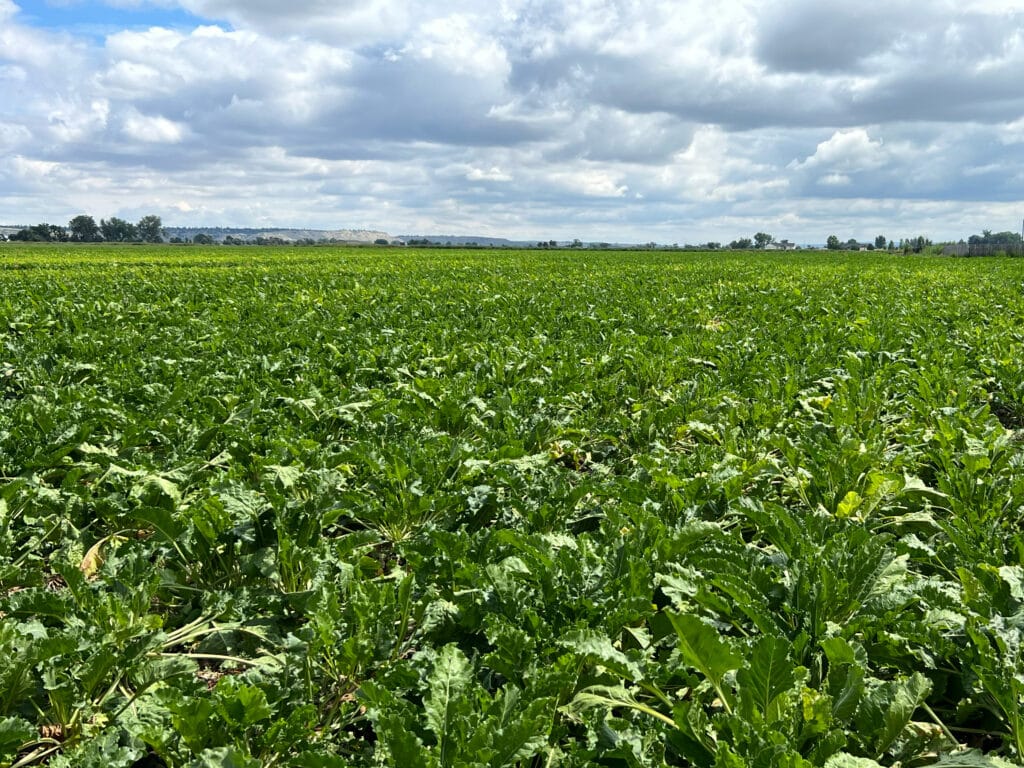
Kniss developed the assignment into a user-friendly calculator thanks to funding from the Western Sugar Cooperative, which recognized the challenge that sugarbeet growers face when developing herbicide management plans. The Herbicide Resistance Risk Calculator helps farmers to develop a four-year crop rotation and herbicide management plan. The extended timeframe helps farmers understand how their actions in one growing season will affect the long-term herbicide resistance evolution in their fields.
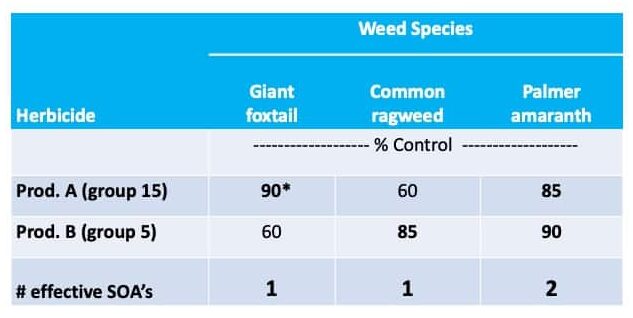
“If you are using multiple effective modes of action, that’s really good for delaying the evolution of resistance,” Kniss explains.
To use the calculator:
- Choose between corn, dry beans, small grains, soybean, and/or sugarbeets for your crop rotations.
- Identify weeds you want to target.
- Identify which herbicides you will apply over four years.
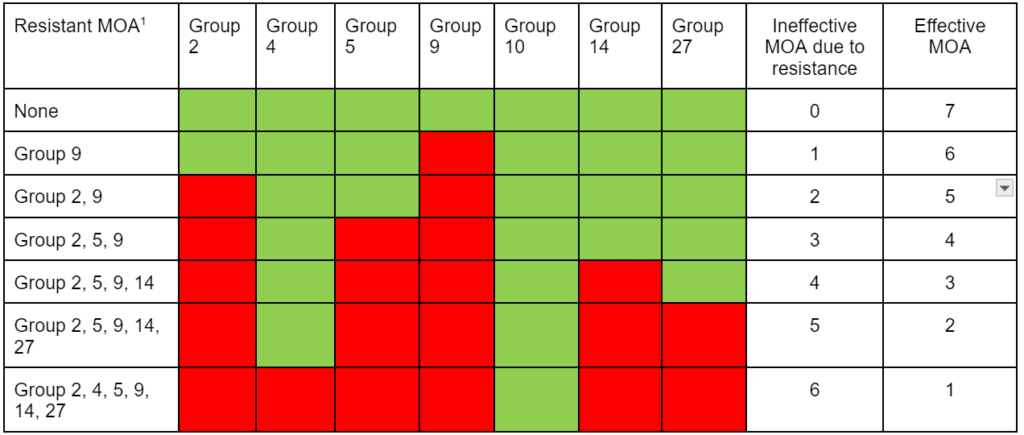
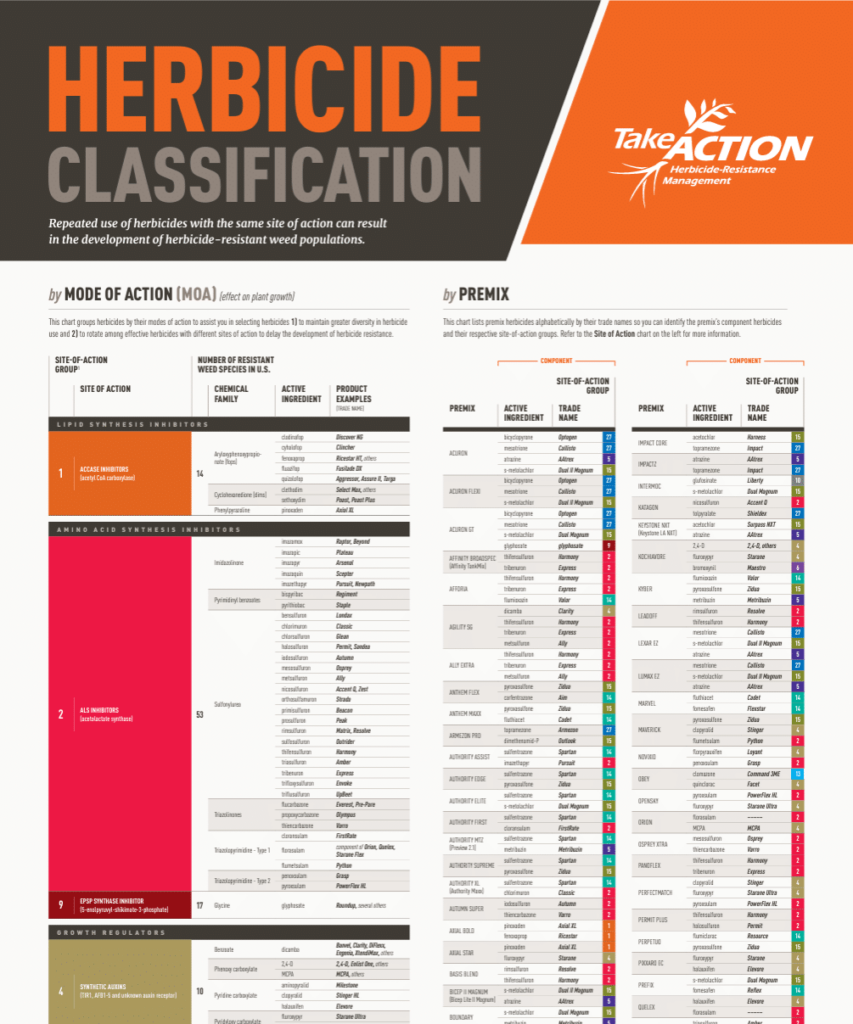
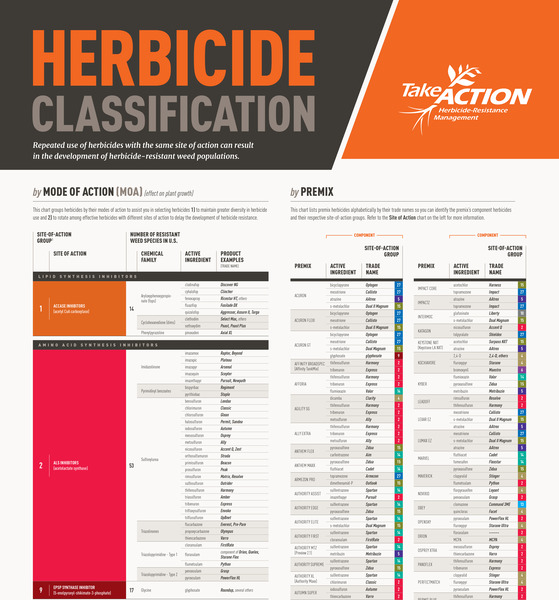
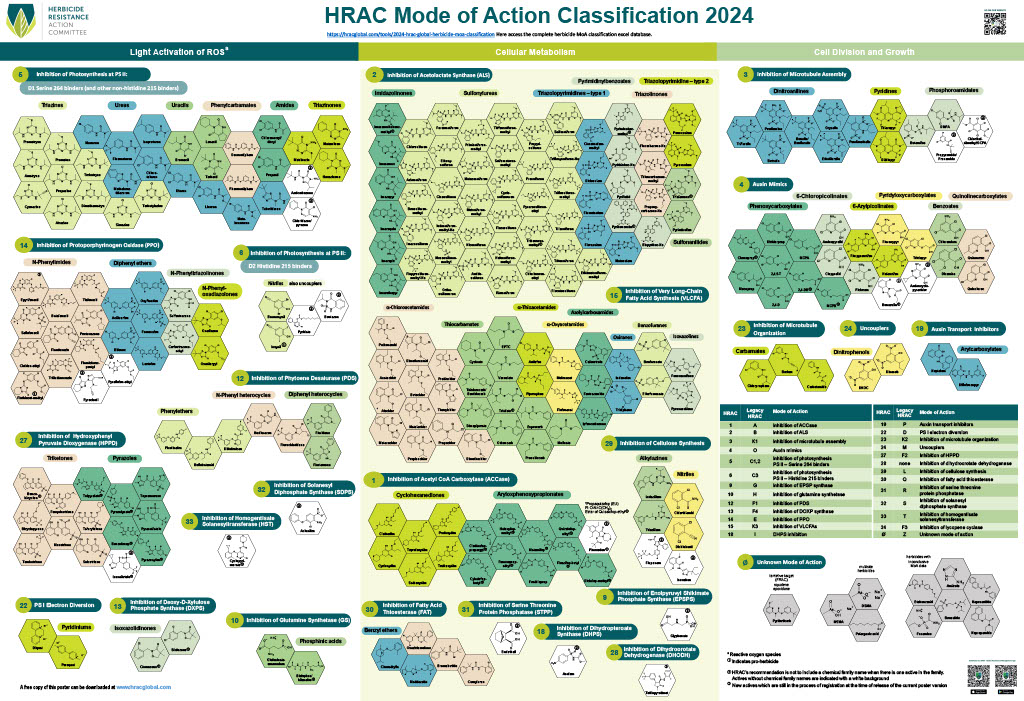
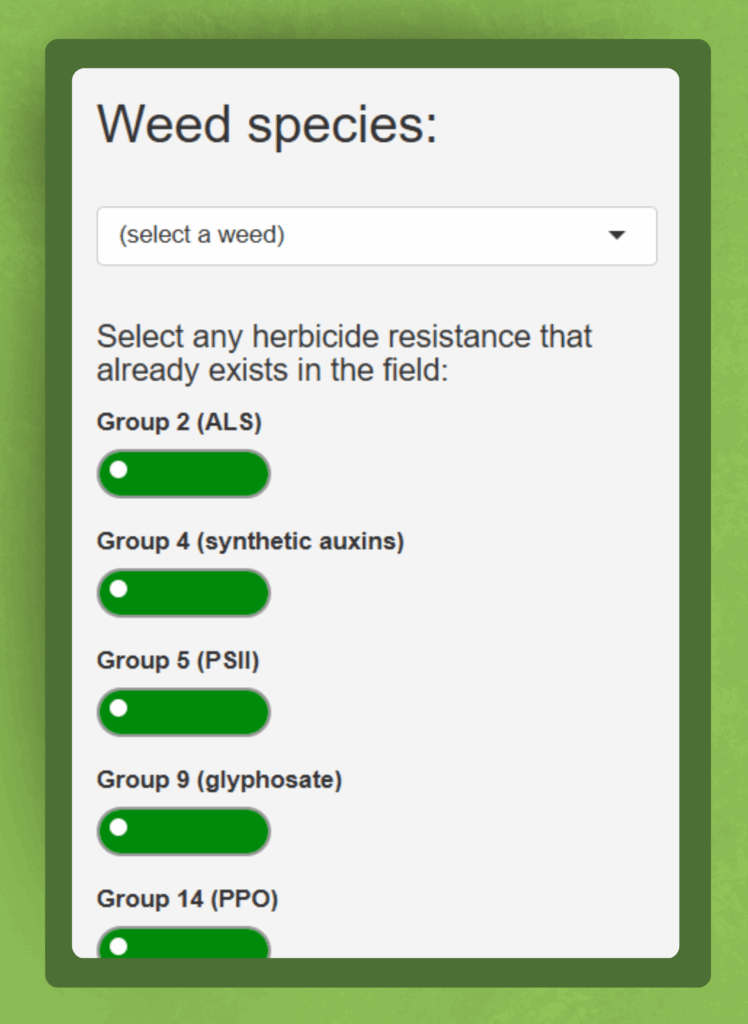
- Specify if you battle Group 2, 4, 5, 9, 14, and/or 27 resistance (for help with herbicide groups, see the Take Action Herbicide Classification chart and look-up tool).
The calculator then determines if your management plan contains multiple modes of action via a herbicide-resistance risk score, scaled from zero to four.
A score of four indicates that only one herbicide mode of action was applied across all four years, and that a farmer has a high risk of developing herbicide resistance in their production. Spraying more than one effective site of action each year will reduce the risk score, and help farmers prevent herbicide resistance in their fields. Scores will break into decimals as herbicide modes of action are added to the management plan.
Kniss explains that farmers should aim for a score lower than one. This target score indicates that a farmer deployed multiple effective modes of action against weeds across all four years. But know that the scores are just a rough visualization of your herbicide resistance risk. A score of 0.8 is not twice as likely as a score of 0.4 to develop herbicide resistance.
A score of zero indicates that no effective site of action was applied.
The calculator also determines how well the management plan will suppress target weeds, and the plan’s average weed control costs.
Farmers report that the calculator has been a useful and educational tool since its publication in 2020. Sugarbeet growers, especially, have realized that their previous herbicide programs didn’t utilize several modes of action, Kniss says.
Kniss and fellow collaborator, Dr. Nevin Lawrence from the University of Nebraska Panhandle Research and Extension Center, update the calculator with regionally-relevant weed control efficacy and cost data annually. Kniss notes that the calculator was originally developed for sugarbeet producers in the High Plains regions. But the calculator’s design allows farmers nationwide to check their effective herbicide modes of action, though weed control and cost data might differ in their region.
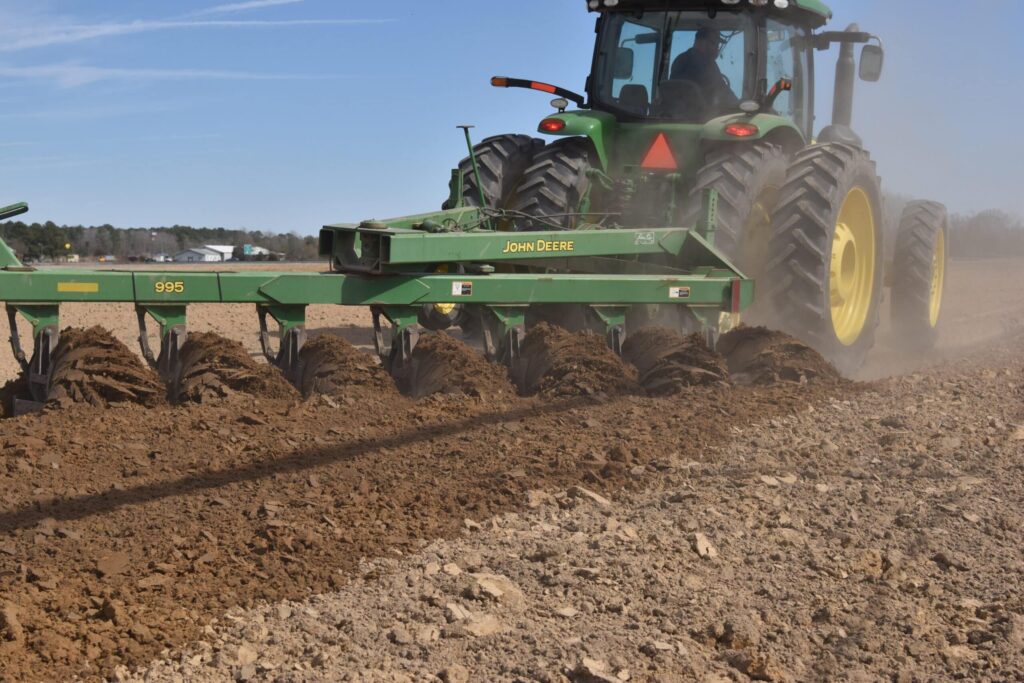
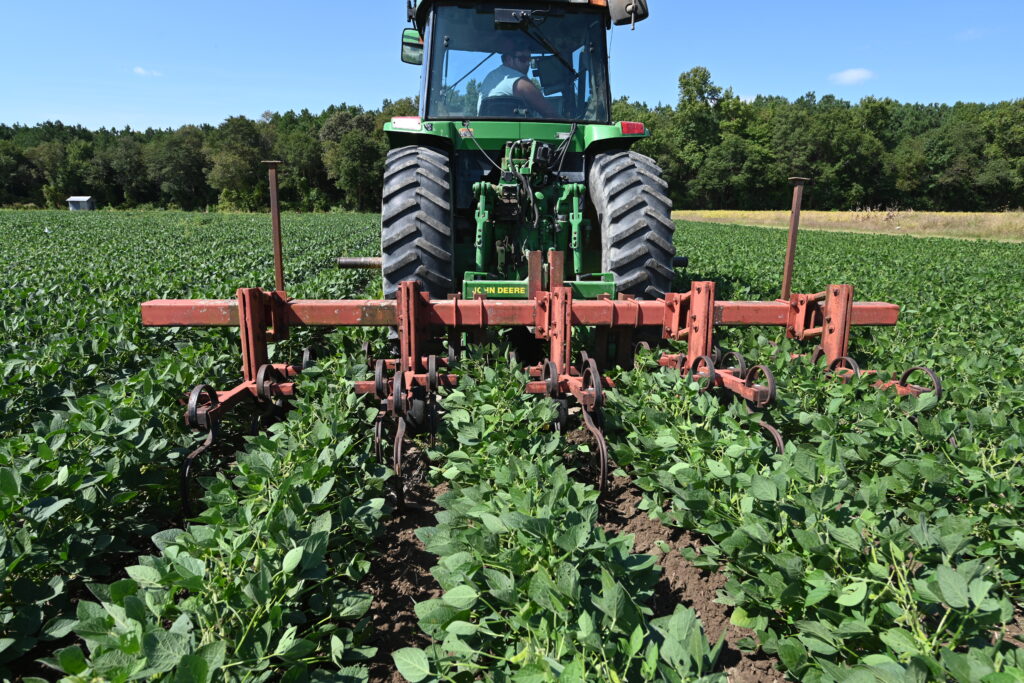
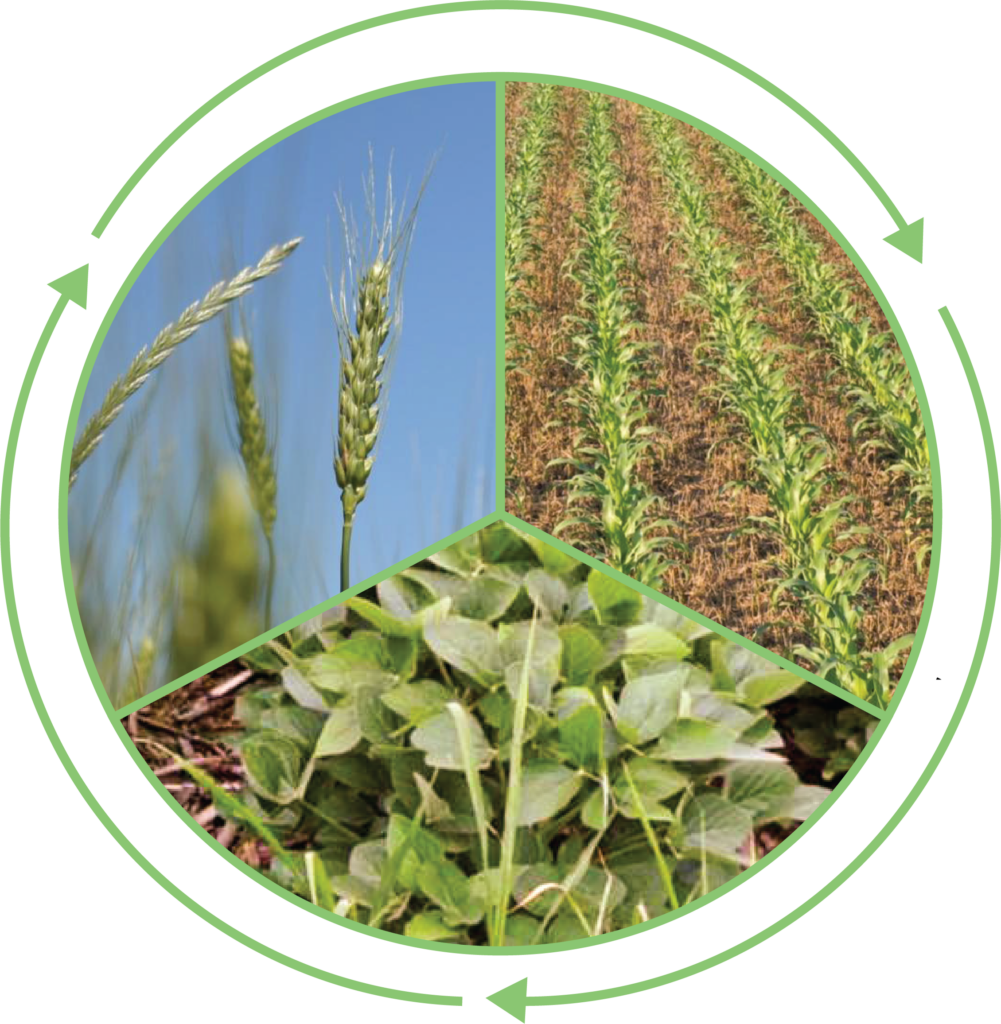
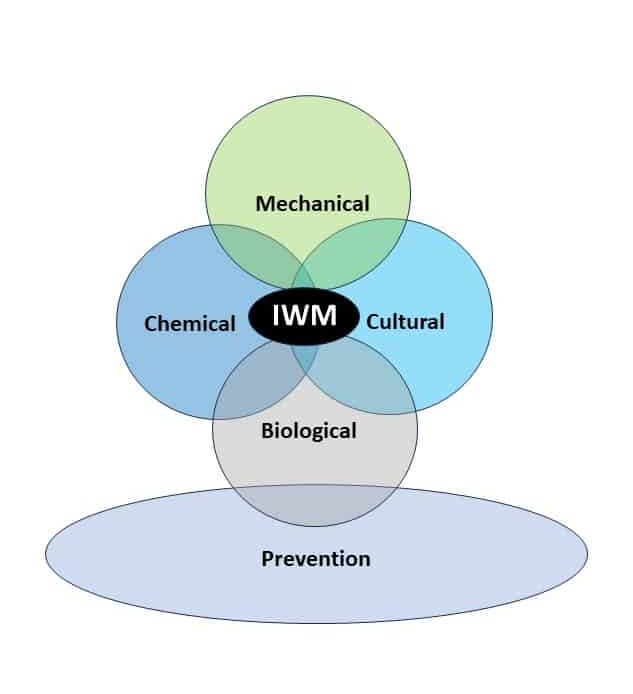
Kniss also reminds growers that using multiple effective modes of action is only one tool in the fight against herbicide resistance. “It’s important to understand that we’re not going to solve a problem created by herbicides by using more herbicides,” he states. “We can also think of non-chemical weed control as our second mode of action, whether that be crop rotations, planting dates, harvest dates, or even tillage.”
Explore GROW’s website for more information about managing herbicide resistance with integrated weed management.
Article and feature photo by Amy Sullivan, GROW; header photo by Claudio Rubione, GROW.