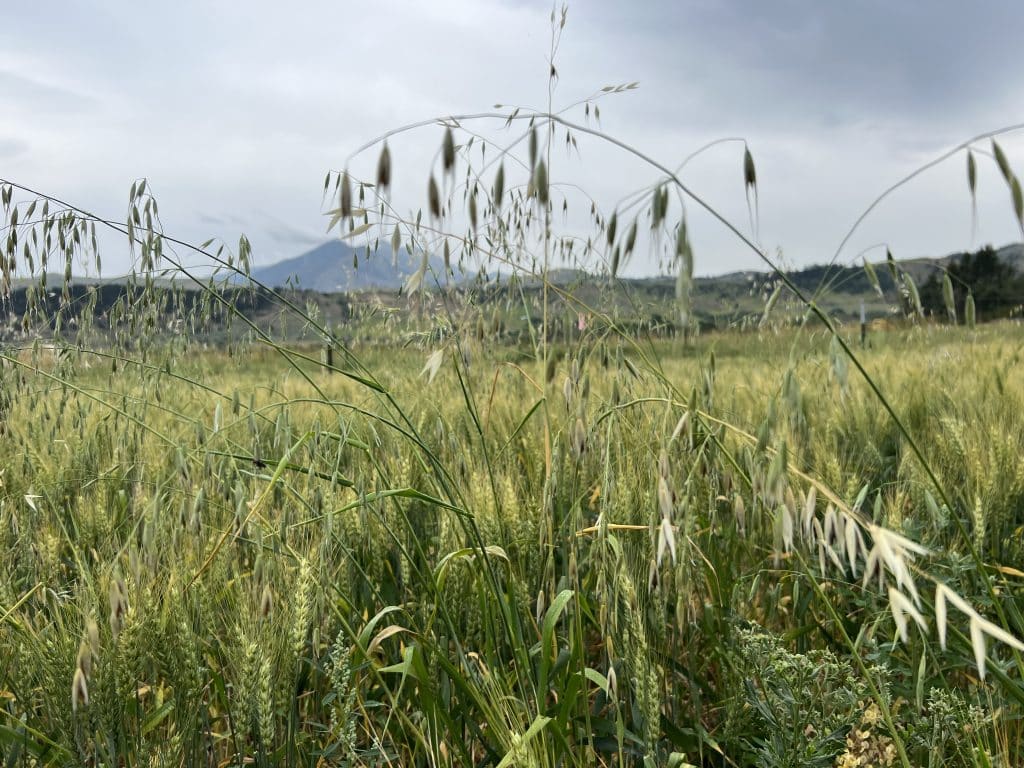
If you could outrun wild oat in your field, would you? Canadian Prairie farmers are battling herbicide-resistant wild oat in their wheat-canola productions, but rotations of early-maturing crops might help compete with this troublesome weed and could make harvest weed seed control more successful, says Agriculture and Agri-Food Canada researcher Dr. Breanne Tidemann.
“Producers are more open to trying things that they’re normally not interested in because they are running out of other options,” Tidemann explains. “So there’s more interest in out-of-the-box ideas for dealing with [wild oat].”
Her three-year study revealed that rotations with early-maturing crops halved wild oat populations. She also found that harvesting those early-maturing crops via swathing or straight-cutting could help keep weed seeds from returning to the seedbank, if combined with harvest weed seed control tactics like seed impact mills. But Tidemann warns of the logistical challenges like weather that can impact early-maturing crop rotations.
“We’re at a point where we need to be thinking beyond herbicides,” Tidemann says. “We’re being forced into that.”
Narrowing Down the Research
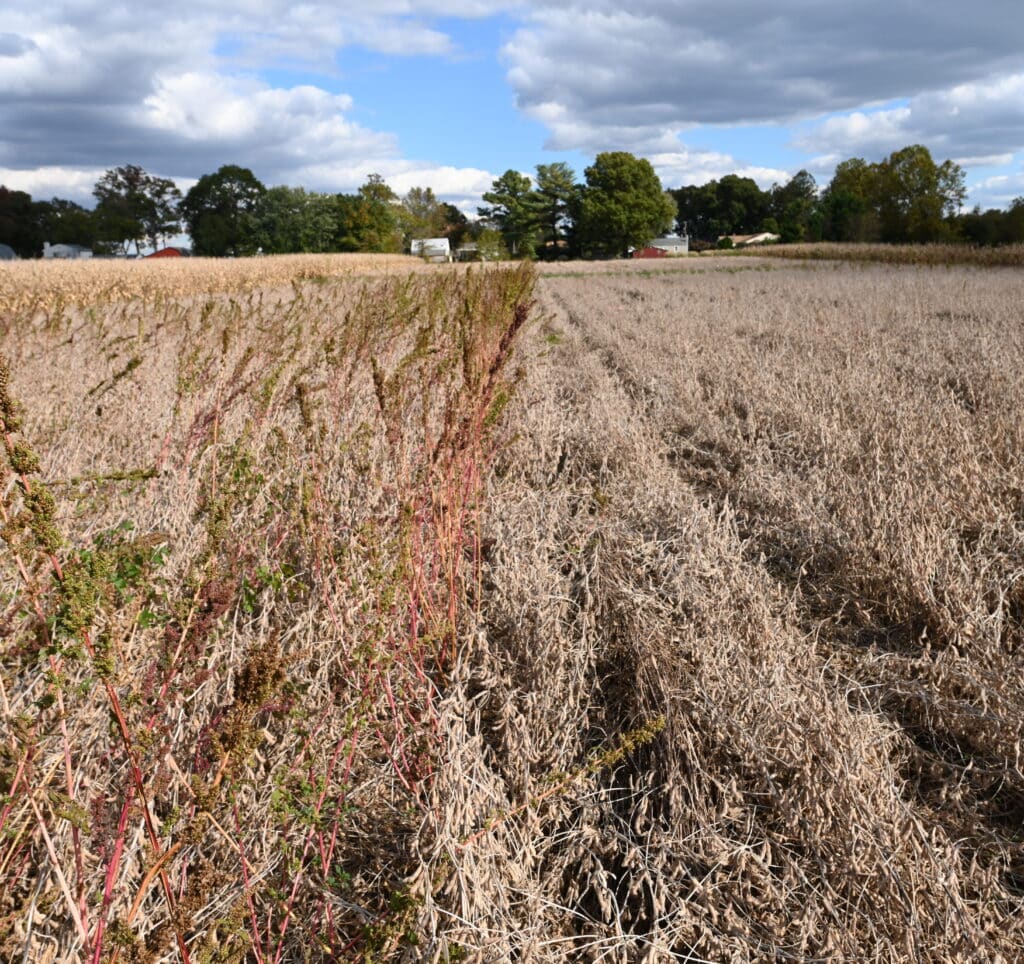
Earlier research from Tidemann found that harvest weed seed control can’t fully control wild oat because the weed’s seeds shatter (drop from the weed) before the region’s typical crops of spring wheat and canola are harvested. Then an idea struck her, she recalls: “We keep saying wild oat seed is shed before we harvest… what if we harvested earlier?”
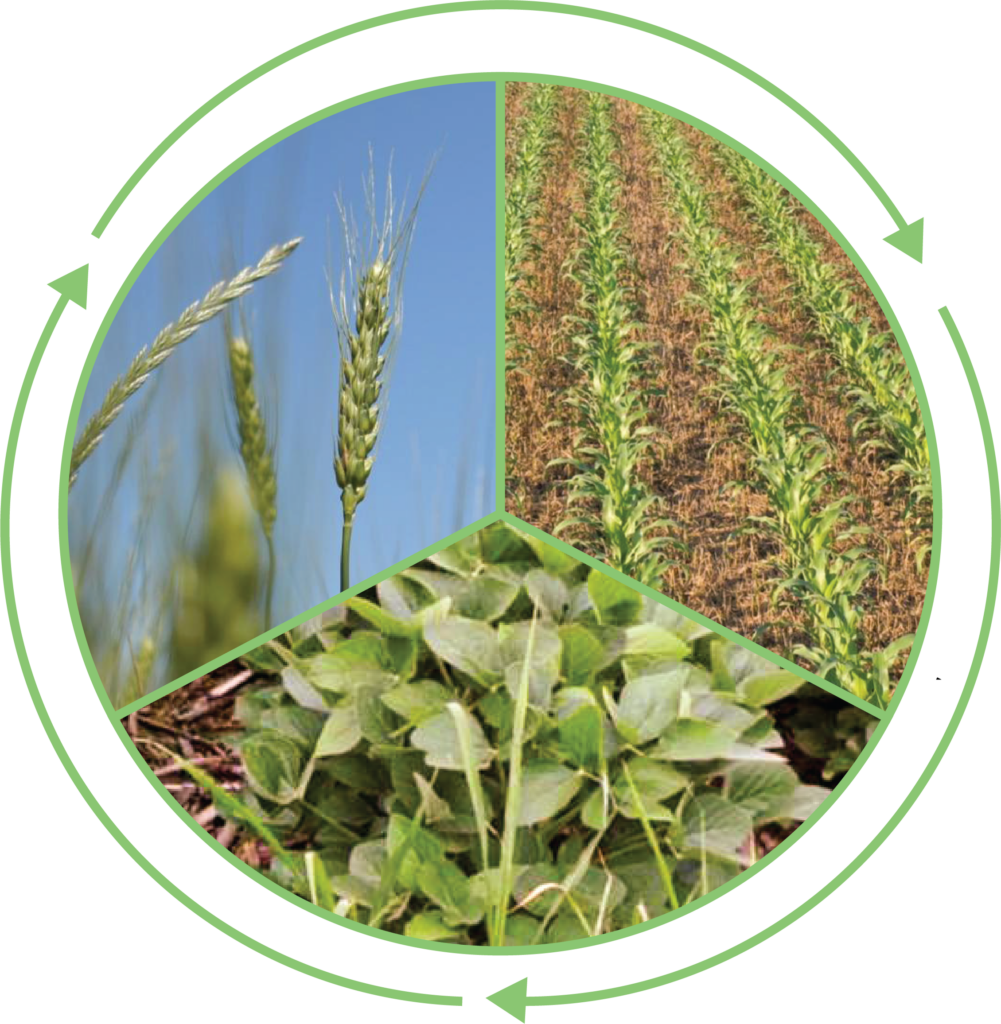
From that thought came the three different crop rotations for her three-year study:
- Early maturing: Peas followed by winter wheat (Both of these crops typically mature in early August.)
- Intermediate maturing: Wheat followed by canola (Both of these crops typically mature in late August through early September. This is a common crop rotation for many areas of the Canadian Prairies.)
- Late maturing: Fababean followed by flax (Both of these crops typically mature in mid September through early October.)
The rotations with early-maturing crops consistently had 50% fewer wild oat plants than the other crop rotations. Tidemann theorizes that this could be due to crop competition, as fall-seeded cereals such as winter wheat compete with wild oats by emerging earlier and capitalizing on nutrient and moisture intake.
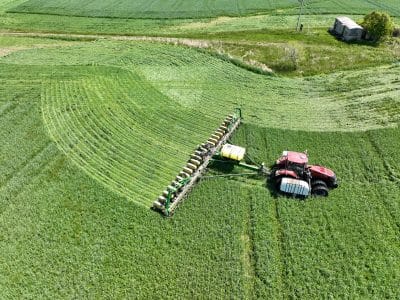
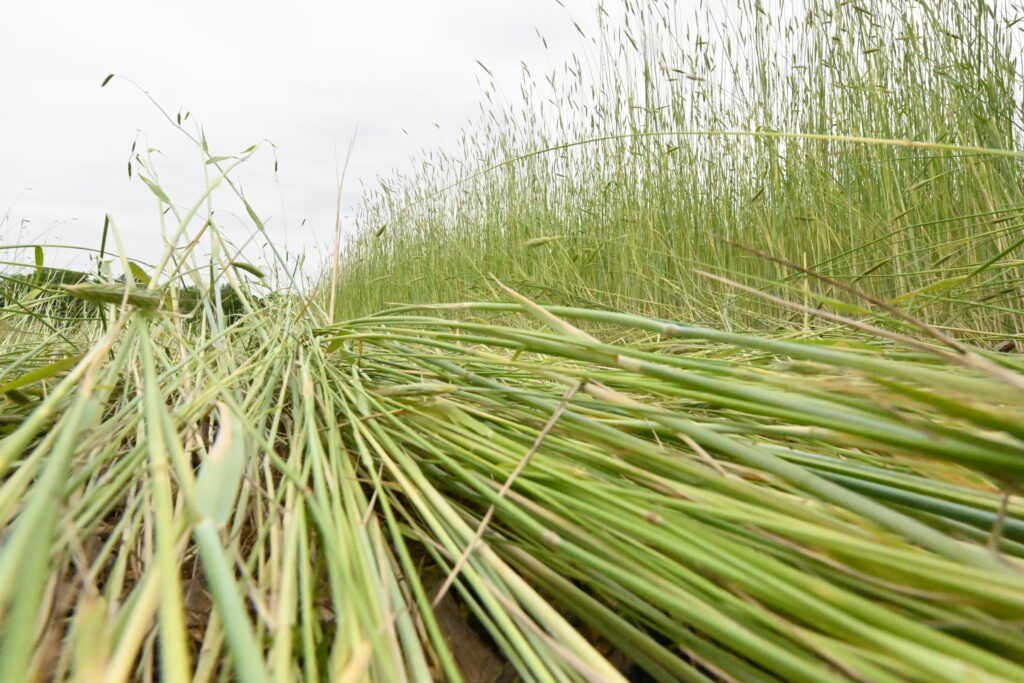
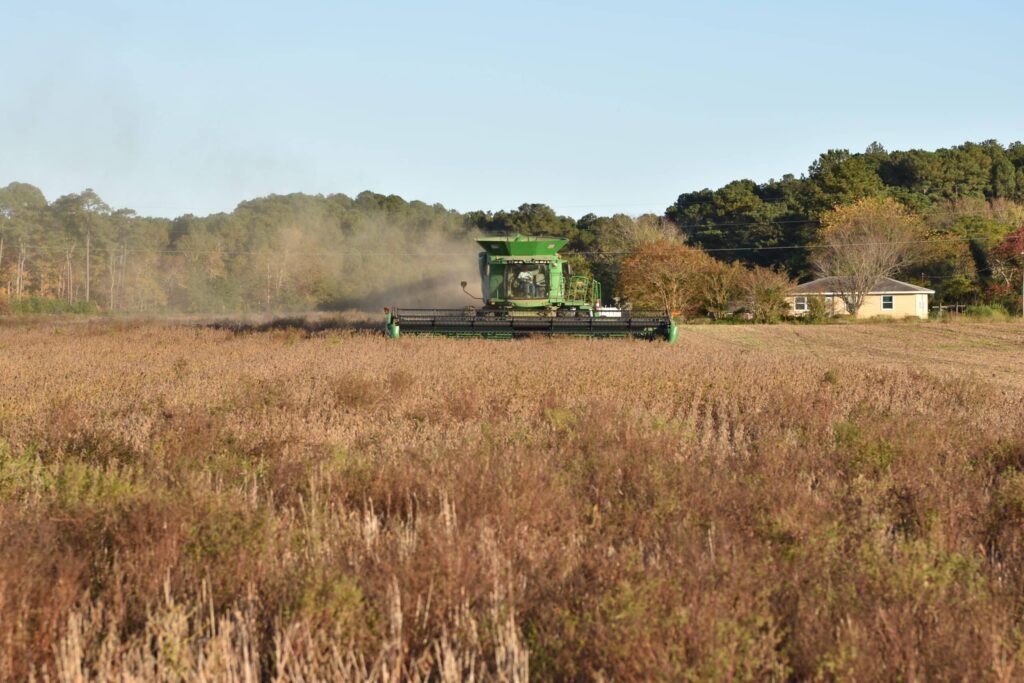
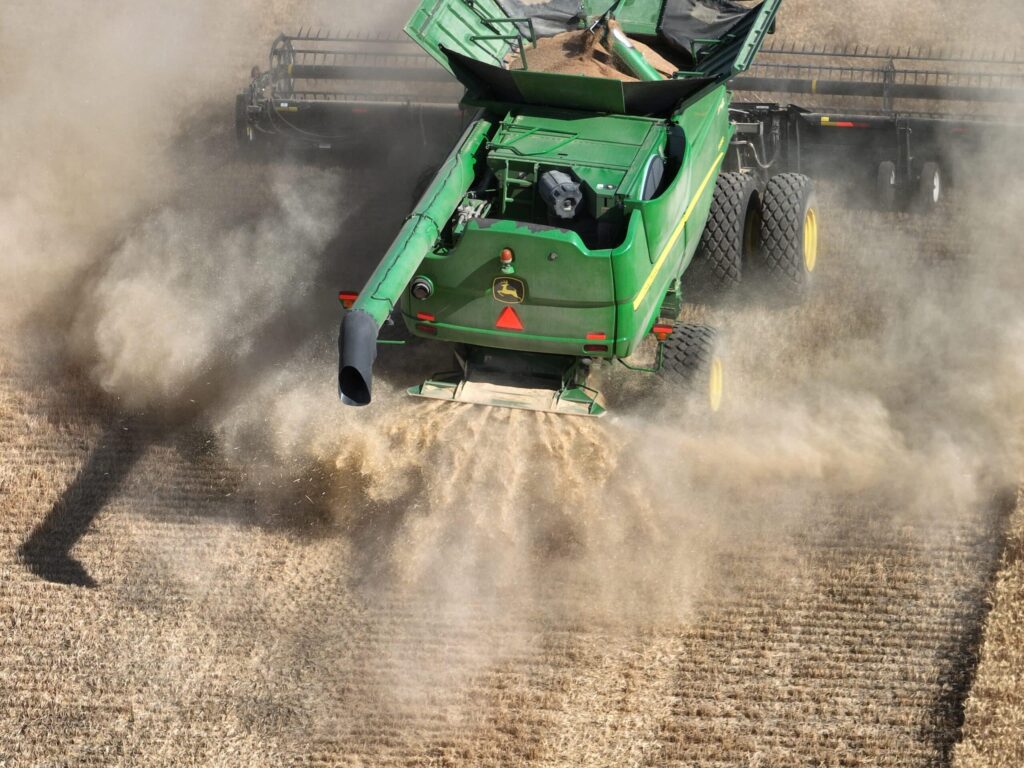
Tidemann also examined how harvesting both crops in each rotation through swathing or straight-cutting affected wild oat plants and their seeds. She thought that swathing the crops to lay in windrows and dry before going through the combine might retain weed seeds within the windrow and allow them to reach the combine. Straight cutting – when farmers cut and combine crops at the same time – is a newer method that has become popular in the Canadian Prairies and also warranted research. Once in the combine, the grains or legumes are separated (threshed) from their stalks, and the stalks become chaff.

The research found that neither swathing nor straight-cutting resulted in consistently fewer wild oat plants in the ensuing study years. Swathing seemed to help a few more seeds be captured as populations were lower in some study locations, but this effect was minor compared to the rotation of early-maturing crops.
“Having any impact on the weed seedbank was exciting,” Tidemann says. “When the seeds can live there for over five years, it’s nice to be able to have an effect!”
Canadian Prairie farmers will need to have a seed impact mill installed on their combine after swathing or straight-cutting to kill the weed seeds passing through the combine, Tidemann notes, or be willing to capture the seeds with something like a chaff cart. Early-maturing crops improve harvest weed seed control efficacy, but without using a harvest weed seed control method, those weed seeds aren’t being killed. More research is needed to determine if early harvests with swathing or straight-cutting captured more weed seeds than normally-timed harvests.
Implement Early-Maturing Crop Rotations
Managing rotations of early-maturing crops can be one of the largest hurdles in implementing this cropping system, Tidemann acknowledges.
The major concern is weather, particularly over-winter survival or winterkill events. Events such as drought can reduce or delay fall emergence, and limited snow cover in extreme cold temperatures can cause crop failure due to winterkill. Spring cereals are more common in the Canadian Prairies because winter cereals have a higher risk of winterkill.
Understanding weather patterns, the associated risk, and how early-maturing crops fit into your production is key to making this system work.

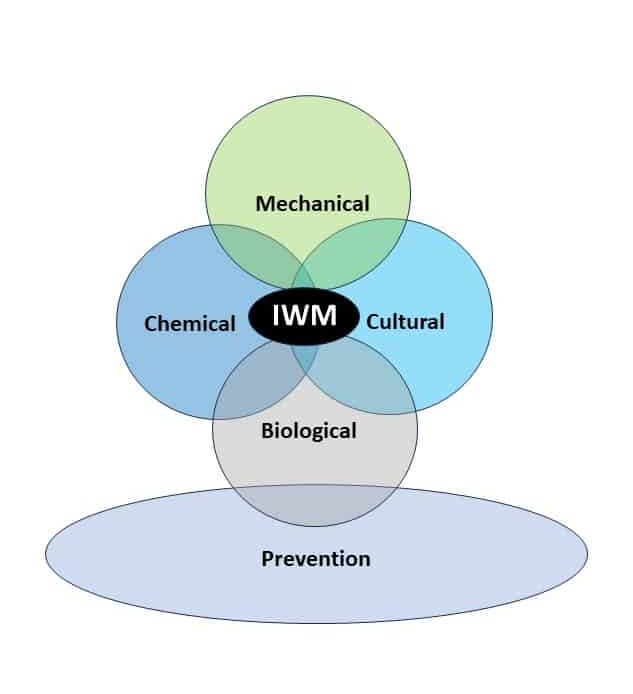
For even more robust wild oat control, farmers could potentially pair crops that mature earlier with other weed management tactics such as harvest weed seed control, the few remaining herbicides effective against wild oat, and increased seeding rates, Tidemann adds. She didn’t use any wild oat herbicides in this study, and Tidemann anticipates that using these herbicides would further improve control.
Ultimately, there isn’t a simple, reliable prescription that farmers can follow to reduce weeds in their fields, Tidemann says. Herbicide-resistant weeds such as wild oat require treatment on a case-by-case basis, which could come in the form of crop rotations for one field and increased seeding rates for another field. “We’re at a point where we need to be thinking beyond herbicides,” Tidemann says. “We’re being forced into that.”
Article by Amy Sullivan, GROW; Feature photo by Claudio Rubione; Header photo by Virginia Tech Weed ID.